III Service Line
Freight & Transportation.
Drayage off the dock; FTL/LTL onto the road.
- FTL / LTL
- Drayage
- Cross-dock & transloading
Operations
The miles between everywhere and the dock door.
Freight & Transportation is the rolling line. It runs every working day between the three corridor gateways — PortMiami, Port Everglades, and MIA — and the warehouses, distribution centers, retail docks, and customer addresses across South Florida, the Southeast, and the broader continental United States.
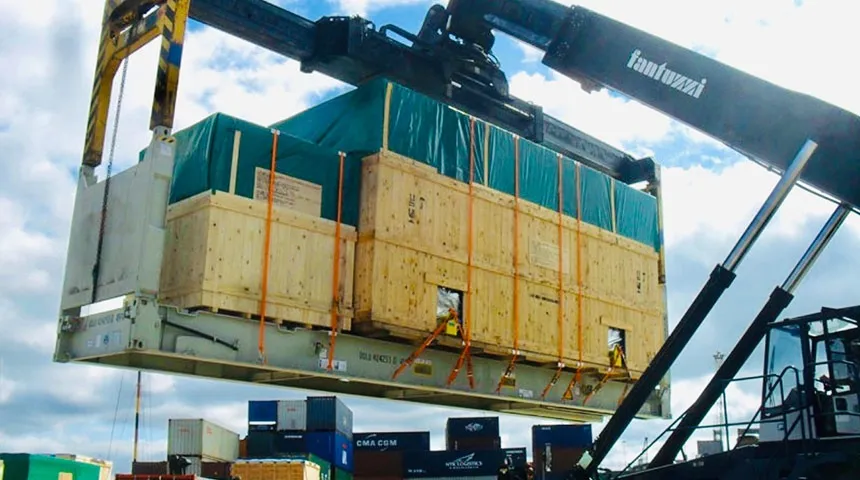
Drayage is the highest-frequency workflow. Containers move off the gateways and onto chassis bound north, usually to our Pompano Beach anchor or to a partner warehouse depending on the freight and the lane. Port Everglades drayage runs in fifteen-minute dock-to-warehouse windows on good days. PortMiami and MIA both sit at forty minutes from the anchor. We work all three lanes daily.
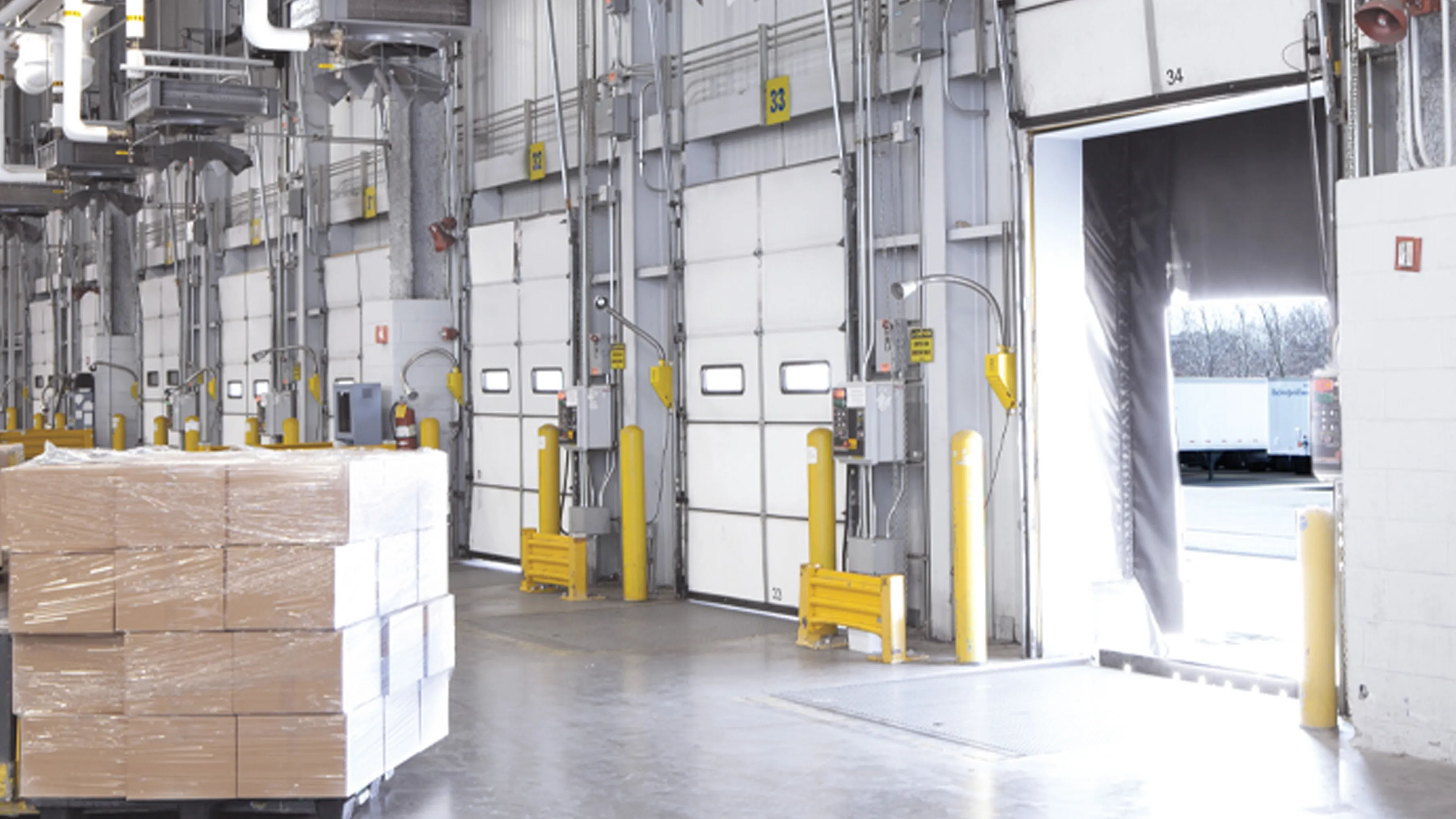
Beyond drayage, Full Truckload (FTL) and Less-Than-Truckload (LTL) routing handles freight bound deeper inland. Florida state-wide same-day or next-day reach is standard; Southeast two-day reach (Georgia, Alabama, Tennessee, the Carolinas) runs regularly; transcontinental routes go out through the major national carriers we have relationships with. Cross-dock and transloading handle freight that needs to switch modes (ocean container to dry-van trailer) or switch carriers (regional to national) without entering long-term storage.
The line
What’s included in the line.
- Drayage. Container drayage between the corridor gateways and the inland warehouse network. PortMiami, Port Everglades, MIA cargo apron, FLL, and PBI. Chassis pool visibility, gate-window scheduling, customs hold awareness. The most-trafficked lane in our network.
- Full Truckload (FTL). Dedicated truck for freight that fills a 53-foot trailer or warrants exclusive use. Direct origin-to-destination routing with no intermediate handoffs. Used for high-value, time-sensitive, or shipper- consolidated freight.
- Less-Than-Truckload (LTL). Shared-trailer routing for freight between 150 and 10,000 pounds that doesn’t warrant a dedicated truck. Carrier selection based on lane density, transit time, and damage-rate history; we work the major national LTL networks and the regional specialists.
- Cross-dock & transloading. Inbound freight offloaded, reconfigured, and dispatched to its next leg without entering long-term storage. Useful for ocean-container-to- dry-van mode switches, retail-distribution cross-dock flows, and consolidation/deconsolidation work.
Industries
Who moves through us.
- Importers using the South Florida corridor. Freight clearing PortMiami, Port Everglades, or MIA that needs drayage to a warehouse before downstream distribution.
- Florida regional distributors. Wholesalers and distributors with downstream customer networks across the state — same-day and next-day Florida reach is the baseline expectation.
- Southeast retail and wholesale. Freight destined for Georgia, the Carolinas, Tennessee, Alabama, and beyond — two-day reach standard, with the FTL/LTL relationships to back it up.
- Cross-dock-only operators. Clients whose inventory doesn’t sit at our warehouse but routes through the cross-dock for mode or carrier transitions.
- Project cargo and oversize freight. Heavy equipment, modular construction, oversize industrial cargo that requires permit routing and specialized chassis.
- Cruise hospitality supply chain. Provisions, parts, and consumables for cruise vessels home-ported at PortMiami and Port Everglades — short, high-frequency lanes with strict cutoff windows.
Our posture
How we work the road.
Drayage is a relationship business. We work with the chassis pool managers, the gate ops at each gateway, the dispatchers at the regional drayage operators. When a container needs to clear customs and move north before a six PM warehouse close, it’s the relationships that make that happen — not a software tool, not a spot quote.
Beyond drayage, the FTL/LTL work runs on the same network logic. We don’t own the trucks. What we know is which carrier handles which lane cleanly, which dispatcher to call when a tight window needs to be honored, and which customer-service contact to escalate to when something goes sideways en route.
Next
If you have freight that has to move.
Tell us the origin, the destination, the timing, and the freight characteristics. We’ll route the inquiry to the right carrier relationship for the lane.