I Industry
Cold Chain & Pharmaceutical.
Freight that fails the moment the temperature does.
- Refrigerated & frozen produce
- Pharmaceutical & biologics
- Seafood & perishables
- Temperature-logged storage
The freight
The corridor’s coldest cargo.
South Florida is the busiest perishables gateway in the United States, and the reason is geography. MIA sits forty minutes south of Pompano Beach and handles more perishable air freight than any other U.S. airport — cut flowers from Bogotá and Quito, fresh produce from across the Andes, salmon flown up from Chile. PortMiami and Port Everglades carry the refrigerated ocean half. The freight arrives cold and has to stay that way.
Pharmaceutical cold chain rides the same lanes under stricter rules. Vaccines, biologics, temperature-sensitive active ingredients, and clinical-trial material move through the MIA cargo apron with documented temperature ranges that cannot be breached — not for an hour on a hot ramp, not for a missed dray window. A single excursion can condemn a shipment worth more than the fuel that carried it.
What unites produce and pharma is that the cold chain has no slack. The moment the temperature leaves its band, the clock on the freight is not paused — it is spent. The job on this cargo is to make sure the band never breaks between the tarmac and the customer’s dock door.
The work
What we do with cold freight.
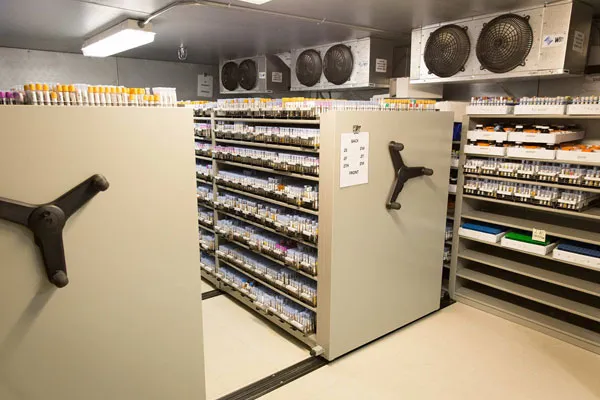
- Climate-controlled warehousing. Refrigerated and frozen warehouse space sized to the load, with temperature held to the freight’s specification — chilled for produce and ambient-plus pharma, frozen for seafood and deep-cold biologics.
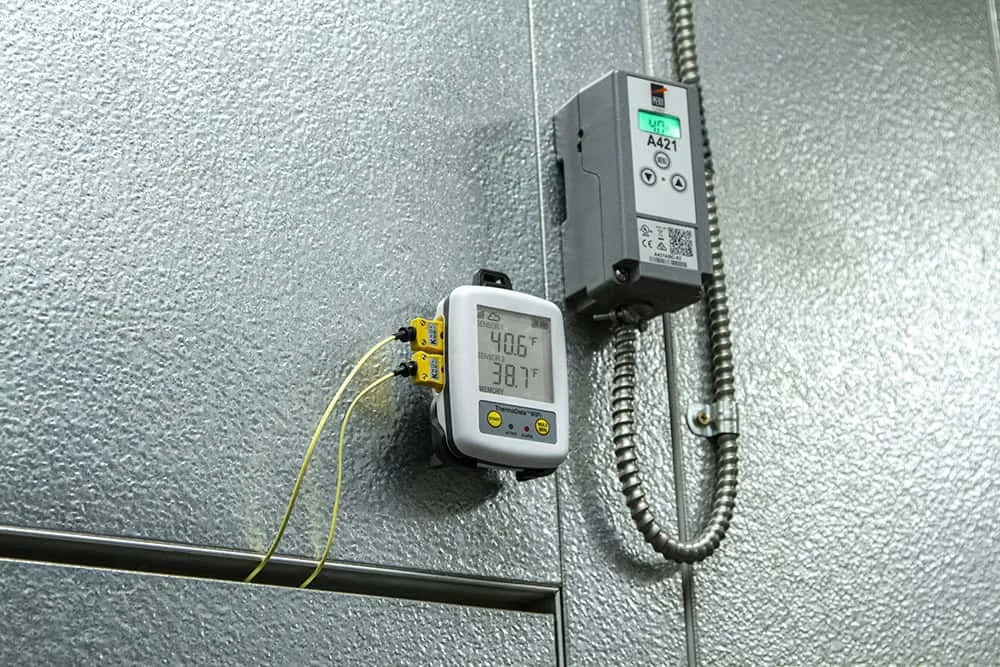
- Temperature logging & chain of custody. Continuous temperature monitoring with logged records from receipt through outbound, and documented chain-of-custody handoffs at every transfer — the paper trail a regulated consignee or an auditor will ask for.
- Cold-chain drayage. Refrigerated drayage between the corridor gateways and the warehouse, scheduled to the aircraft or vessel arrival so the freight does not sit on a hot apron waiting for a truck.
- FTZ-bonded cold storage. Foreign Trade Zone routing for refrigerated freight that needs to sit under bond — duty deferred until the goods enter U.S. commerce, eliminated if re-exported, with the cold chain unbroken throughout.
The corridor
Why this freight lands here.
The standing of MIA as the #1 U.S. perishables gateway is not an accident of marketing — it is the sum of flight frequency, certified handling capacity, and proximity to Latin American growing regions. Forty minutes north of that apron, Pompano Beach sits inside the natural staging hinterland: close enough to receive the freight before its cold reserve is spent, far enough to offer warehouse space the airport perimeter cannot.
The refrigerated ocean trades add the second half. Port Everglades, fifteen minutes south, and PortMiami, forty minutes south, both move containerized reefer cargo — and a reefer container is only as good as the plug it is connected to. The value of the corridor for cold freight is that the gateways, the bonded space, the certified handlers, and the warehouse racks all sit inside one short drive.
Our posture
How we work the cold chain.
We treat the temperature as the governing fact of the shipment. Everything else — the routing, the dray window, the rack assignment, the paperwork — gets organized around keeping the freight in its band. When a shipment cannot tolerate a delay, it does not get one; when it cannot tolerate an excursion, the handoff is built so an excursion cannot happen.
We are network-based, which on cold freight means routing to the node that holds the right paper. CEIV-Pharma-certified handling, GDP-compliant workflows, FDA-registered space — these are matched to the freight from the network rather than promised from a single building. The inquiry goes through one operator; the cold chain stays whole.
Next
If you have cold freight that cannot wait.
Tell us the freight, the temperature band, the gateway it enters through, and the dwell time. We’ll route the inquiry to the operator who handles cold cargo on that lane.