VI Industry
Cross-Border LATAM Importers.
The freight that makes Miami the capital of the Americas.
- Caribbean & South America lanes
- Bilingual documentation
- Customs & FTA programs
- Consolidation & deconsolidation
The freight
The trade South Florida was built on.
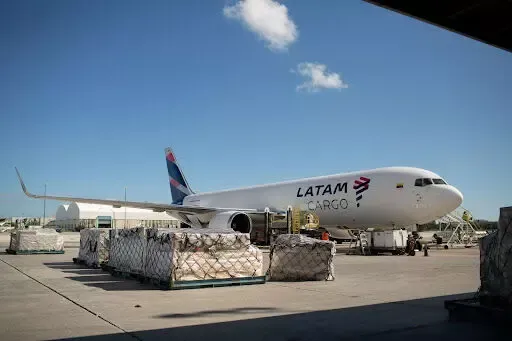
The logistics economy of South Florida did not grow out of its own population — it grew out of its position. Miami is the practical capital of trade between the United States and Latin America, and the freight that moves on those lanes is the reason the gateways of the corridor are as large as they are. MIA alone handles more air freight to and from Latin America than every other U.S. airport combined.
Cross-border freight is two trades at once. There is the freight itself — produce, electronics, apparel, industrial goods, consumer products moving in both directions — and there is the documentation that lets it cross a line on a map. A shipment is only as fast as its customs entry, and a customs entry is only as good as the paperwork behind it.
The trade is bilingual by nature. A shipment originating with a supplier in Bogotá, Santo Domingo, or São Paulo generates documentation in Spanish or Portuguese, and a logistics partner who cannot read it is a partner introducing delay. On these lanes, language is not a courtesy — it is part of the operation.
The work
What we do with cross-border freight.
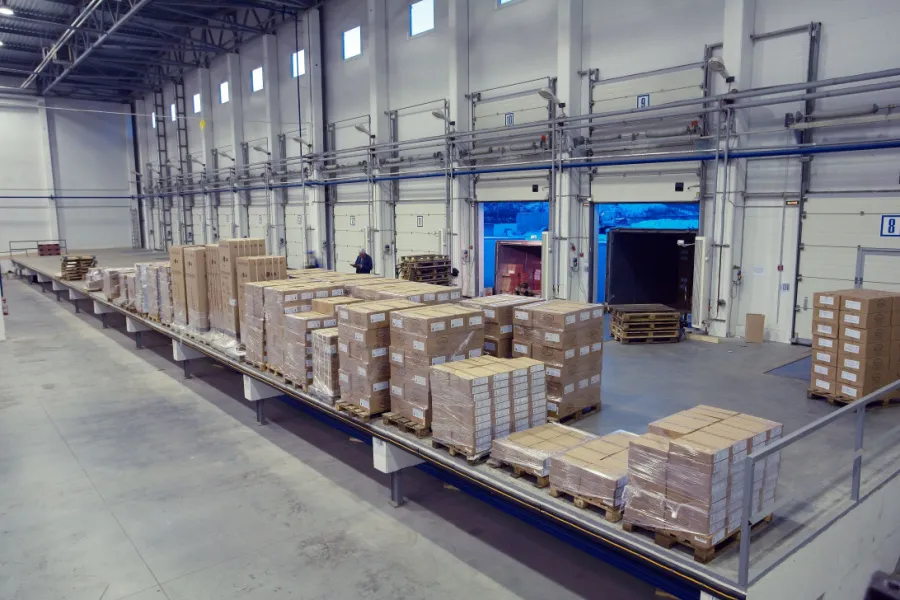
- Caribbean & South America lane handling. Inbound and outbound freight on the Latin American and Caribbean trades — air through MIA, ocean through PortMiami and Port Everglades — staged and handled inside the corridor.
- Bilingual documentation. Documentation handled in English and Spanish as standard, so a commercial invoice or a packing list arriving in Spanish is not the thing that holds the entry.
- Customs & FTA programs. Coordination of customs entries through licensed brokerage partners, including Free Trade Agreement programs and CBP duty-optimization workflows that lower the landed cost when the freight qualifies.
- Consolidation & deconsolidation. Consolidation of outbound freight into full containers and deconsolidation of inbound shipments — the work that makes a mixed, multi-supplier cross-border flow economical.
The corridor
Why the Americas trade routes here.
The advantage of the corridor on cross-border freight is concentration. The #1 U.S. air gateway to Latin America, two major container seaports, the brokers, the bonded space, the bilingual workforce, and the Foreign Trade Zones all sit inside a forty-mile span. An importer working these lanes from anywhere else is assembling those pieces across a wider geography; working them from the corridor, they are already assembled.
Pompano Beach sits inside that hinterland with room the gateway perimeters do not have. Cross-border freight needs to be staged, consolidated, deconsolidated, and held under bond — and the warehouse space to do that is north of the ports and the airport, not on top of them. The corridor lets the freight clear the gateway fast and stage close.
Our posture
How we work cross-border freight.
We treat the entry as the real bottleneck of the shipment. The ocean or air leg is largely fixed; where time is won or lost on cross-border freight is the customs step — and we coordinate that step through licensed brokers, with the documentation prepared in advance and in the right language, so the freight clears rather than waits.
We treat Latin America as the home trade, not a specialty line. The whole reason the corridor exists is this freight, and the bilingual documentation, the FTA-program knowledge, and the consolidation workflows are standard equipment here rather than an add-on. An importer working these lanes should find the operation already shaped around them.
Next
If you move freight between here and Latin America.
Tell us the lane, the direction, the commodity, and the customs programs your freight may qualify for. We’ll route the inquiry to the operator who works the Americas trade.