IV Industry
Marine & Yachting.
Parts that have to meet a vessel before it sails.
- Yacht parts & provisioning
- Vessel-in-transit freight
- Project & oversize cargo
- Bonded marine stores
The freight
Freight on a vessel’s schedule.
Fort Lauderdale calls itself the yachting capital of the world, and the marine economy that surrounds it is real freight, not a brochure line. Twenty minutes south of Pompano Beach sits one of the densest concentrations of marinas, refit yards, and yacht-service businesses anywhere — and all of it runs on parts, provisions, and project cargo that have to arrive on time.
What makes marine freight distinct is that the deadline belongs to the vessel. A yacht in a refit yard has a launch date; a vessel provisioning for a crossing has a sailing window; an engine component needed for a repair is needed before the boat can leave the dock. The freight does not set the schedule — the water does.
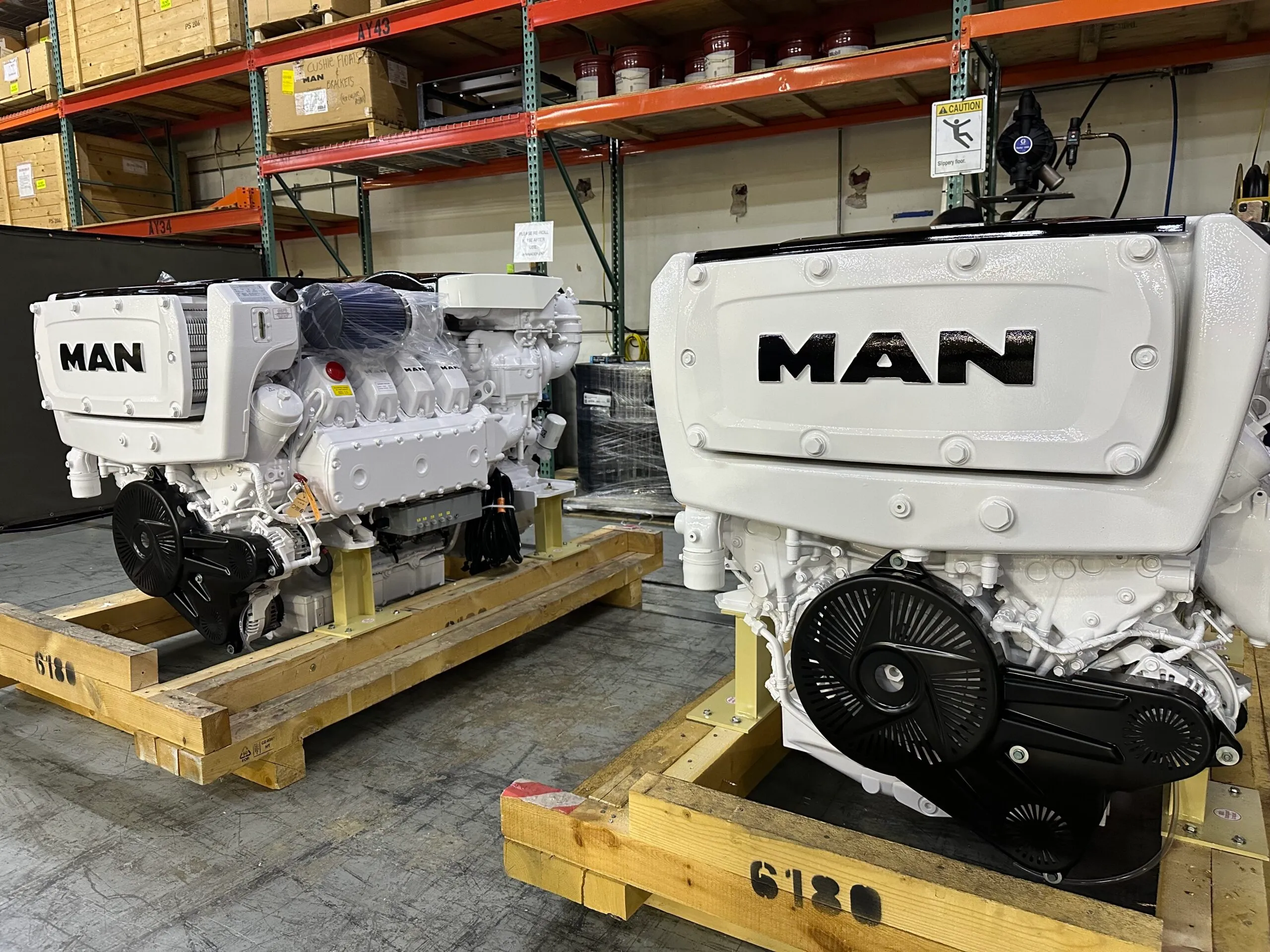
The trade is broad. Engine and drivetrain parts, electronics, refit materials, deck hardware, interior components, provisions and stores, and the oversize project cargo that moves when an entire system is replaced. Some of it is small and urgent; some of it is large and awkward. All of it is measured against a vessel that intends to move.
The work
What we do with marine freight.
- Yacht parts & provisioning. Receiving, staging, and dock-side delivery of parts, components, and provisions — timed to the refit schedule or the sailing window rather than to a standing delivery route.
- Vessel-in-transit freight. Handling for freight consigned to a vessel rather than a fixed address, with the customs treatment that vessel-in-transit and ship’s-stores cargo requires.
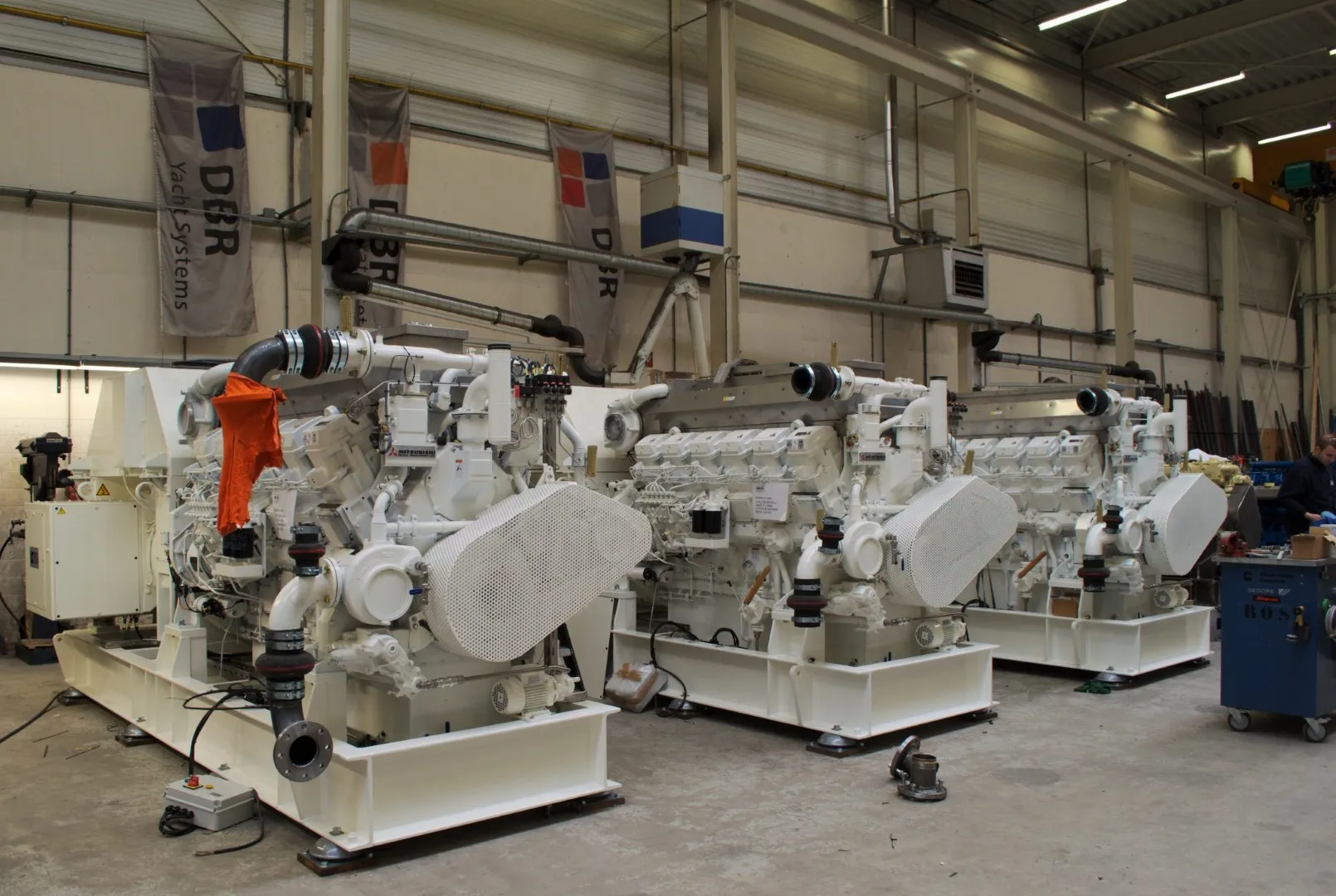
- Project & oversize cargo. Staging and handling for the large, heavy, and awkward freight a major refit generates — engines, generators, spars, tankage — including the floor space project cargo needs that a parcel network cannot offer.
- Bonded marine stores. Foreign Trade Zone and bonded handling for marine freight that should not enter U.S. commerce — stores and equipment bound for a foreign-flagged vessel, kept under bond until it goes aboard.
The corridor
Why marine freight stages in the corridor.
The problem of the marine trade is the last mile, not the long haul. A part can fly into MIA overnight from anywhere in the world; what is hard is holding it, clearing it, and getting it dock-side at the right marina on the day the yard needs it. Pompano Beach sits inside the marina belt — close enough to the refit yards of Fort Lauderdale and the marinas of Broward County to make that last leg short and predictable.
The corridor also supplies the customs treatment marine freight depends on. Foreign-flagged vessels, vessel-in-transit consignments, and bonded ship’s stores all need handling an ordinary warehouse does not think about. Staging marine freight inside a corridor that already runs FTZ and bonded workflows means the right treatment is available without trucking the freight somewhere else to get it.
Our posture
How we work marine freight.
We work backward from the vessel’s date. A marine shipment is not on time because it arrived at the warehouse — it is on time because it reached the dock before the boat needed it. We stage the freight, hold it, and schedule the final delivery to the yard’s calendar, not ours.
We treat the awkward freight as normal. Oversize, heavy, irregular, and high-value marine cargo is the rule in this trade, not the exception, and we route it to the network node with the floor space and the handling equipment it needs rather than forcing it through a workflow built for pallets.
Next
If you have freight a vessel is waiting on.
Tell us the part or the cargo, the vessel’s schedule, the yard or marina it has to reach, and any bonded or vessel-in-transit treatment it needs. We’ll route the inquiry to the operator who works marine freight.