III Industry
Food & Beverage.
Freight with an expiration date printed on the carton.
- Dry & ambient grocery
- Importer-of-record support
- FDA-regulated entries
- Date-coded inventory
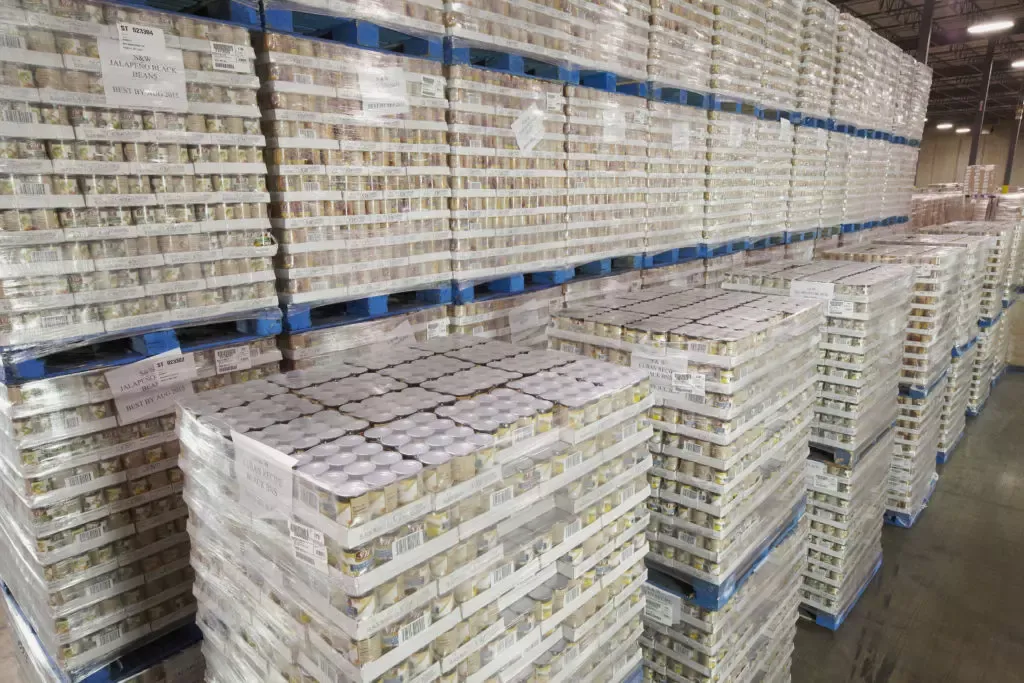
The freight
The dry half of the food trade.
Not all food freight needs a chiller. Shelf-stable grocery, canned and packaged goods, beverages, dry specialty imports, and the ethnic-food trade that South Florida’s population supports all move at ambient temperature — but they move with a clock anyway. A date code is a deadline, and a pallet of product that sits too long is a pallet that ships short-dated or does not ship at all.
Food freight is also regulated freight. The FDA governs imported food at the border: prior-notice filings, facility registration, importer-of-record obligations, and the possibility of an entry held for examination. The freight is not difficult to warehouse — the difficulty is that the paperwork has to be right before the freight is allowed to become inventory.
The food trade of South Florida leans heavily on imports. The same Latin American and Caribbean lanes that carry perishables carry coffee, packaged goods, beverages, sauces, and the specialty items that supply a region whose grocery shelves reflect the hemisphere. Much of it lands dry and stays dry — but all of it is dated.
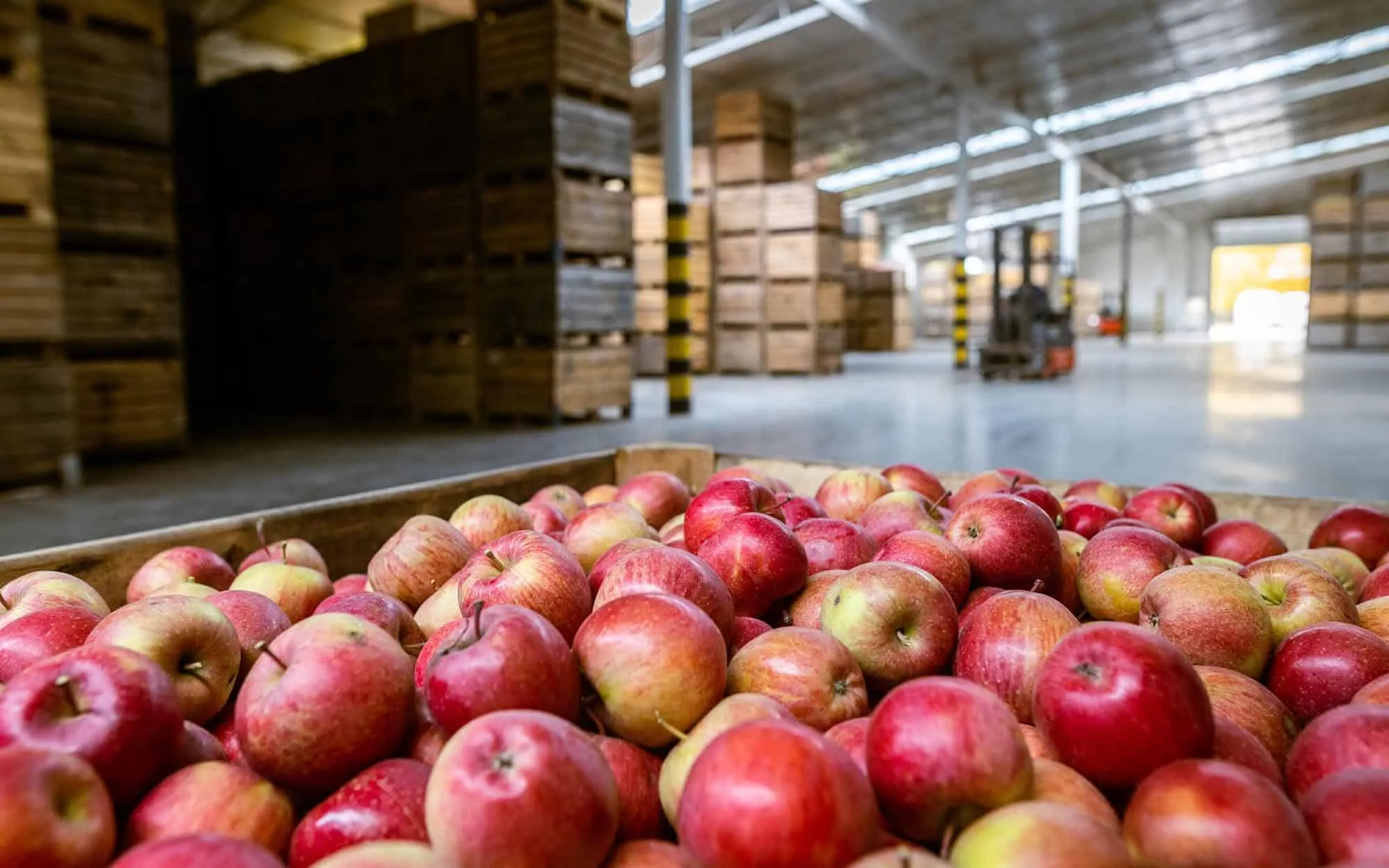
The work
What we do with food freight.
- Dry & ambient grocery storage. Shelf-stable warehouse space with FIFO discipline, pest-control protocols, and food-grade handling — racked so the oldest date code ships first and nothing ages past its window on the floor.
- Date-coded inventory control. Inventory tracked by lot and date code, not just by SKU, so rotation is enforced, short-dated stock is flagged before it becomes a loss, and a recall can be traced to the affected lots.
- Importer-of-record & FDA entry support. Coordination of FDA prior notice, facility registration, and importer-of-record documentation through licensed partners — so a food entry clears rather than sitting on hold.
- Beverage & specialty handling. Handling for beverages, packaged specialty imports, and the ethnic-food trade — including the heavier, denser pallet profiles that beverage freight carries.
The corridor
Why food imports stage here.
The hardest moment for a food importer is the border. An entry held for an FDA examination, a prior-notice filing that does not match the manifest, a facility registration that has lapsed — any of these can strand a shipment, and stranded food freight is freight burning its date code in a yard. Staging inside the corridor, minutes from the gateways and the brokers, is how that risk gets managed.
The corridor also gives food freight its distribution reach. From the Pompano Beach anchor, dry grocery moves into Florida and the Southeast on the same road network the rest of our freight uses, and re-export freight bound for the Caribbean basin moves back out through the seaports. Food that lands in South Florida rarely stops here — it stages here.
Our posture
How we work food freight.
We treat the date code as the freight’s real deadline. Receiving, rotation, and outbound are organized around shipping the oldest stock first, flagging short-dated product before it becomes a write-off, and keeping the lot records clean enough that a recall is a query rather than a crisis.
We treat the customs side as part of the warehouse job, not a separate problem. A food shipment that clears cleanly becomes inventory on schedule; one that does not becomes a held entry. We coordinate the FDA and importer-of-record paperwork through licensed partners so the freight is allowed to move the day it arrives.
Next
If you have food freight with a clock on it.
Tell us the product, the import lane, the date-code sensitivity, and the volume. We’ll route the inquiry to the operator who handles regulated food freight.